
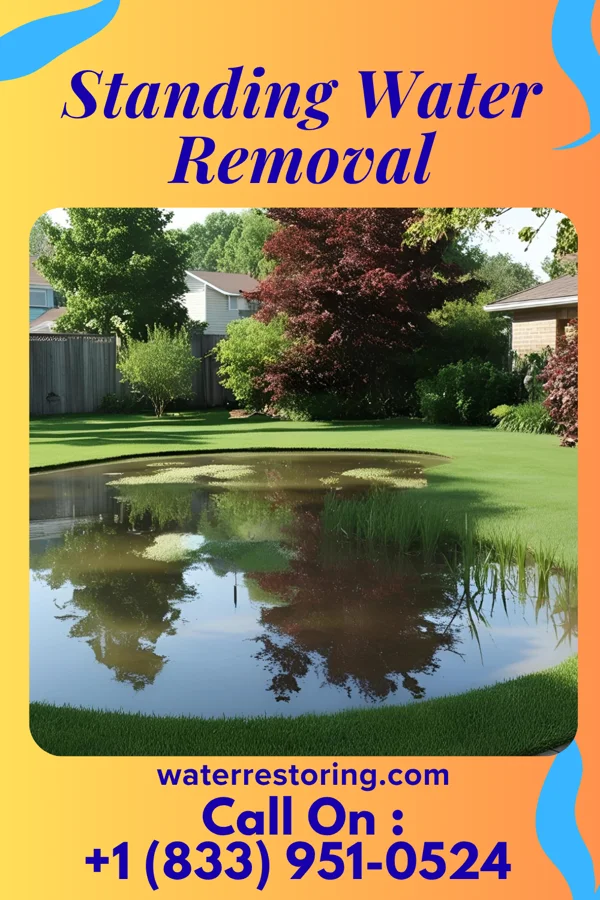
Why Kettlersville Sees Standing Water Often
The pattern in Kettlersville is consistent. In Kettlersville, Ohio, the primary water damage cause is often related to agricultural runoff and seasonal flooding due to the area's rural setting and proximity to nearby streams and fields. Heavy rainfall events can lead to water seeping into basements and low-lying areas, particularly in the spring and early fall. This is especially common near the outskirts of Botkins and Anna, where drainage systems are less developed. drives most of the emergency restoration calls we get. A close second is Secondary causes include plumbing failures in older homes, such as burst pipes and leaking water heaters, as well as issues from livestock operations in surrounding rural areas. Additionally, groundwater infiltration is a concern in the region due to the porous soil and lack of extensive sewer systems in some neighborhoods..
Kettlersville experiences a humid continental climate with significant rainfall in the spring and summer months, increasing the risk of water damage. The area is also prone to sudden weather changes, which can lead to flash flooding. These conditions make prompt water damage response critical to preventing long-term structural issues.
Kettlersville experiences a humid continental climate with significant rainfall in the spring and summer months, increasing the risk of water damage. The area is also prone to sudden weather changes, which can lead to flash flooding. These conditions make prompt water damage response critical to preventing long-term structural issues. The dominant local driver is In Kettlersville, Ohio, the primary water damage cause is often related to agricultural runoff and seasonal flooding due to the area's rural setting and proximity to nearby streams and fields. Heavy rainfall events can lead to water seeping into basements and low-lying areas, particularly in the spring and early fall. This is especially common near the outskirts of Botkins and Anna, where drainage systems are less developed., with Secondary causes include plumbing failures in older homes, such as burst pipes and leaking water heaters, as well as issues from livestock operations in surrounding rural areas. Additionally, groundwater infiltration is a concern in the region due to the porous soil and lack of extensive sewer systems in some neighborhoods. showing up as the next most common cause. Damage builds in stages. Spread. Absorption. Microbial growth. Structural compromise. Every stage you pass through adds to the final bill.
For public guidance on the health effects of mold after prolonged water exposure, see the EPA mold and health page.